Exploring different cigar flavor types is one of the most surprising parts of becoming an aficionado—you learn to recognize different cigar flavor profiles by country and growing region.
The soil and climate of the land where farmers cultivate tobacco all contribute to this and understanding terroir is a significant first step toward detecting a cigar's flavor notes. However, farmers’ methods are as important as a farm's location, and specific countries and regions are famous for their unique growing and curing techniques.
In this guide to cigar flavor types by country, we'll explore popular tobacco-growing nations and see how their regions influence their cigars' taste, strength, and complexity.

Cuba
Cuban cigars have legendary status worldwide but in the US, they’re almost mythical due to the embargo on Cuban tobacco imports. President Kennedy signed this on February 3, 1962, but first, he reportedly hid 1,200 Petit Upmanns so he had enough Cubans to smoke.
Banning anything is a surefire way to boost its popularity, but that's not only what makes Cuban cigars so special. Even in countries where people easily find them, connoisseurs prize Cubans for their rich, smooth, and complex flavors.
Habanos (Cuban cigars) have a flavor profile distinctive for its earthy, woody and nutty notes. Farmers in the Vuelta Abajo region cultivate some of the finest tobacco in the world, which manufacturers use to create iconic Cuban brands like Cohiba, Montecristo, and Partagas.

Dominican Republic
Cigars from the Dominican Republic are generally smoother than those from other tobacco-growing regions.
Dominican Republic cigars have a flavor profile with subtle sweetness and creamy and nutty tastes. Smokers enjoy Dominican tobacco for its refined complexity, and each expertly crafted smoke offers a one-of-a-kind experience.
Some of the most popular cigar brands from the Dominican Republic include:
Arturo Fuente Cigars
Arturo Fuente Cigars are a game-changer for intermediate smokers. Exploring the extensive line-up of handmade cigars, including Dominican puros like Arturo Fuente Especiales, is a great way to experience what the island nation offers.

Davidoff Cigars
Cuba produced Davidoff Cigars between 1967 and 1991 before they relocated to the Dominican Republic. Davidoff then introduced treasured lines like the Davidoff Signature Series and (despite its name and 100% Nicaraguan tobacco) the Davidoff Nicaragua Series.

La Flor Dominicana Cigars
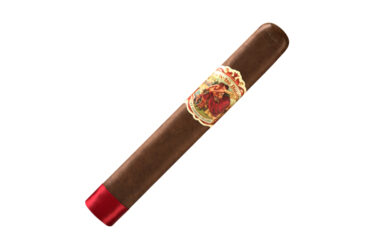
La Flor Dominicana Cigars launched in 1996 at the height of the cigar boom and has remained successful for decades. The brand's title line, La Flor Dominicana, combines Dominican filler and binder tobaccos with a San Andres wrapper, proving that Dominican cigars aren't always mellow.

Nicaragua
The significance of Nicaraguan cigars in the decades since the introduction of the Cuban embargo is hard to overstate.
Following the exodus of master tobacconists from Cuba in the 1960s, the search was on to find rich, fertile soils like those on the island. Researchers discovered mineral-rich volcanic soils in mainland Central America, cementing Nicaragua's role with cigar brands worldwide.
We typically discuss cigar flavor profiles by country, but Nicaragua has more distinct regional differences. Yet, a typical Nicaraguan puro will likely have a full-bodied flavor combining earth, spice, and pepper notes.
Esteli's rick black soil and abundant sunlight grow strong, spicy tobacco leaves, including the region's signature Ligero. But 90 miles north, the Jalapa Valley is better known for creamier tobacco leaves that make excellent wrappers.
Drew Estate Cigars
Drew Estate Cigars is another brand established in the mid-90s boom and best known for Drew Estate ACID Cigars. They use a secret process to infuse the ACIDs with essential oils and botanicals, creating unique cigar flavor profiles without artificial additives.

My Father Cigars
Legacy means a lot in the cigar world, where families often pass knowledge down. So when Jaime Garcia created My Father Cigars to honor the legendary figure of Don Pepin Garcia, it was always going to be something special. The title line, My Father, is one of the best Nicaraguan cigars and is widely regarded as one of the finest cigars ever rolled.
Padron Cigars
Cigar lovers often discuss the Nicaraguan brand, Padron Cigars, with hushed reverence. While they now use a variety of wrappers across their lines, the original Padron Series was (and still is) a Nicaraguan puro. It offers a choice of Natural or Maduro wrappers and a vast range of sizes, from the 4.25 x 35 Corticos to the 9 x 50 Magnum. The Magnum is one of the biggest vitolas on the market.

Honduras
Honduran cigars have a 'flinty' taste due to their up-front, earthy flavor profile, and some say you shouldn't smoke one on an empty stomach. But if you're looking for a medium to full-bodied experience with a balance of earth and spice, they stand alone.
Danli and the neighboring Jamastran Valley are key areas for cultivating Cuban-seed tobacco in Honduras. Only 50 miles west of Jalapa across the Nicaraguan border, experts have compared it to Pinar Del Rio in Cuba.
Some aficionados say a good Honduran cigar is the closest you can get to an authentic Cuban cigar. If you're broadening your horizons, Honduras should be on your list.
Alec Bradley Cigars
Alec Bradley Cigars, named after its founder Alan Rubin's two sons, was born during the cigar industry's 'baby boom' of 1996. A Honduran highlight in its catalog is Alec & Bradley Kintsugi. It draws inspiration from the Japanese art of decorative repair, and Alec Bradley manufactures it at the Raices Cubanas operation in Danli.

Camacho Cigars
Smokers love Camacho Cigars for their flavorful 100% Honduran puros. One standout is the Camacho Corojo, one of the strongest cigars available. If you prefer a darker wrapper, go for the Camacho Triple Maduro, which packs a powerful punch.

Rocky Patel Cigars
Two factories produce Rocky Patel Cigars: El Paraiso in Danli, Honduras, and TaviCusa in Esteli, Nicaragua. For a taste of Honduras, try Rocky Patel 20th Anniversary Fumas—it has a blended Honduran and Nicaraguan filler, with a Honduran binder and wrapper. It's an exceptional smoke.

Other notable countries
We can't end without honorable mentions for other tobacco-growing countries. These are also must-tries if you're exploring the world of cigar flavor profiles by country.
The countries we’ve included are noteworthy for producing some of the world's best wrappers. Tobacco leaves need specific characteristics to wrap cigars, including flexibility and a smooth appearance.
Ecuador
Cigar aficionados recognize Ecuador for its top-quality wrapper leaves, including Ecuador Habano and Ecuador Sumatra. A cloudy climate helps to keep the sunlight moderated, allowing the leaves to grow to the perfect thickness. This makes them easy to roll, ensuring a high-quality cigar every time.
Indonesia
There are some cigars of Indonesian origin, including Djarum Filtered Cigars. However, Indonesian tobacco is more often used as wrapper leaves. Top-rated cigars like Tatiana Classic and the sweet, nutty Dominican smokes from the Romeo y Julieta 1875 line have Indonesian wrappers.
Mexico
Mexican-origin cigars include the Rocky Patel DBS and the Mexican puro, Te Amo The Original San Andres. The Te Amo uses a Habano San Andres filler and wrapper with a Negro San Andres binder.
San Andres wrappers are also popular with producers worldwide because of their deep, chocolatey notes. Any successful non-puro cigar line will likely include a San Andres-wrapped variety.

USA
The USA is home to one of the four main types of cigar wrappers, Connecticut (the others are Corojo, Habano, and Maduro). Connecticut Broadleaf was the original—tobacco with large, smooth leaves that look great for wrapping cigars. But, the sun-grown leaves can be pretty tough, making them challenging to roll for all but the most talented Torcedores and Torcedoras.
Farmers grew an alternative called Connecticut Shade by cultivating Connecticut Broadleaf tobacco in shady conditions. In the early 1900s, tobacco farmers in the Connecticut River Valley began using tents over their crops, reducing sunlight and increasing humidity. The result is a thinner, more elastic leaf that's easier to roll and makes some of the palest cigars on the market.
